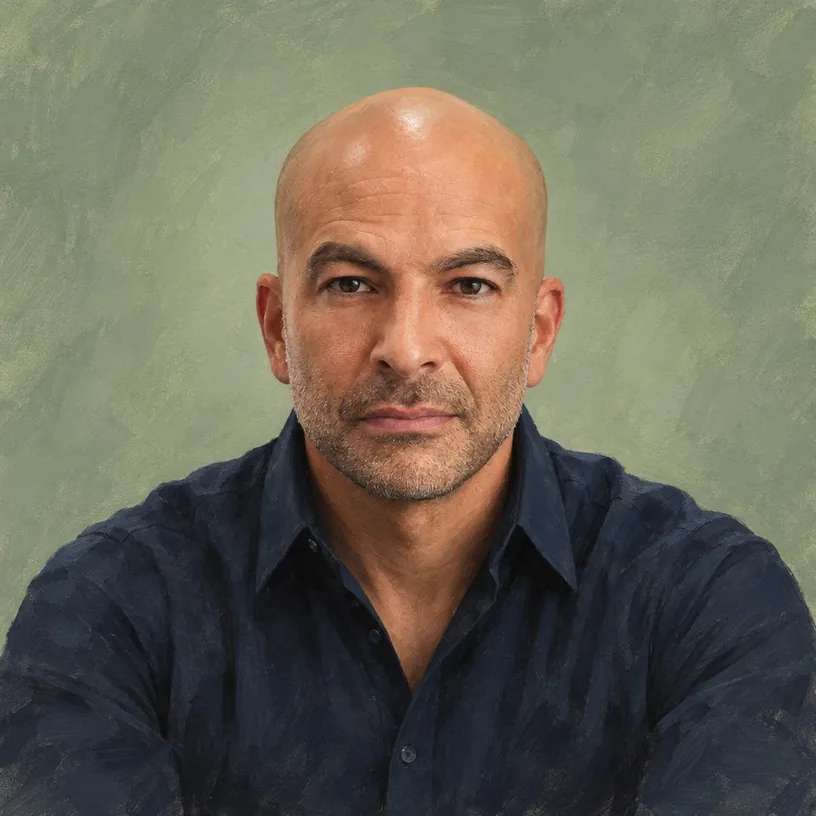
Peter Attia
Physician, longevity researcher
Physician focused on the science of living longer and better, known for his work on healthspan.
“Healthspan matters as much as lifespan.”
Listen to story & lessons
The story
Peter Attia seemed set for a traditional medical career. He studied at Stanford, trained as a surgeon at Johns Hopkins and spent years operating on some of the sickest patients in the country. The work was demanding and prestigious, exactly the path a young doctor is supposed to want.
But the longer he operated, the more uneasy he became with what surgery could actually fix. By the time patients reached his table, heart disease, cancer and diabetes had often been developing silently for decades. He was, in his own framing, practicing Medicine 2.0: waiting for disease to appear and then fighting it, usually too late to change the ending.
The turning point was personal as much as professional. He went through hard years that included struggles with his own health, weight and habits, and he began applying the same rigor he used in the operating room to the question of prevention. He left surgery, went deep into the science of longevity, and eventually founded Early Medical, a practice built around acting decades before disease shows up.
His podcast The Drive and his book Outlive grew out of that shift, and made him one of the most listened-to voices on living longer and better. The lesson he kept learning along the way: medicine spends too much energy on the last years of life and too little on the decades before, and the small daily choices you make now decide which story you get.
Accomplishments
- Earned his medical degree at Stanford and trained in general surgery at Johns Hopkins.
- Founded Early Medical, a practice focused on extending healthy lifespan.
- Hosts The Drive, a popular podcast on health and longevity science.
- Wrote Outlive, a #1 New York Times bestseller.
Top 10 lessons
- 01
Plan for the last decade of your life, not just the next one.
Picture what you want to be able to do at 80 or 90, like carrying groceries or playing with grandchildren, and train for those abilities now.
- 02
Exercise is the most powerful longevity drug we have.
No pill comes close to what regular exercise does for living longer and staying independent. Make it the non-negotiable part of your week.
- 03
Build aerobic base with steady, easy Zone 2 cardio.
Zone 2 is a pace where you can still talk in full sentences. A few hours a week builds the engine that powers everything else.
- 04
Train strength — muscle is a protective organ.
Muscle and bone strength protect you from falls and frailty later. Lift something heavy for you two or three times a week.
- 05
Protect sleep like an appointment you cannot miss.
Poor sleep affects mood, appetite, focus and long-term health. Keep a steady bedtime and treat it as seriously as a meeting.
- 06
Measure what matters: get bloodwork early and often.
Regular checkups and blood tests reveal problems years before symptoms do. Know your numbers so you can act early.
- 07
Nutrition is personal; adjust using data, not dogma.
There is no perfect diet for everyone. Try a change, watch how your body and measurements respond, then adjust.
- 08
Emotional health is a pillar, not an afterthought.
Loneliness, stress and unresolved pain shape health as much as food and exercise. Caring for your mind is part of living well.
- 09
Prevention beats treatment for chronic disease.
Heart disease, cancer, brain decline and diabetes develop over decades. The best time to lower your risk is long before illness appears.
- 10
Small daily habits compound over decades.
A daily walk, an extra hour of sleep or one healthier meal seems small, but repeated for years it changes your future.